





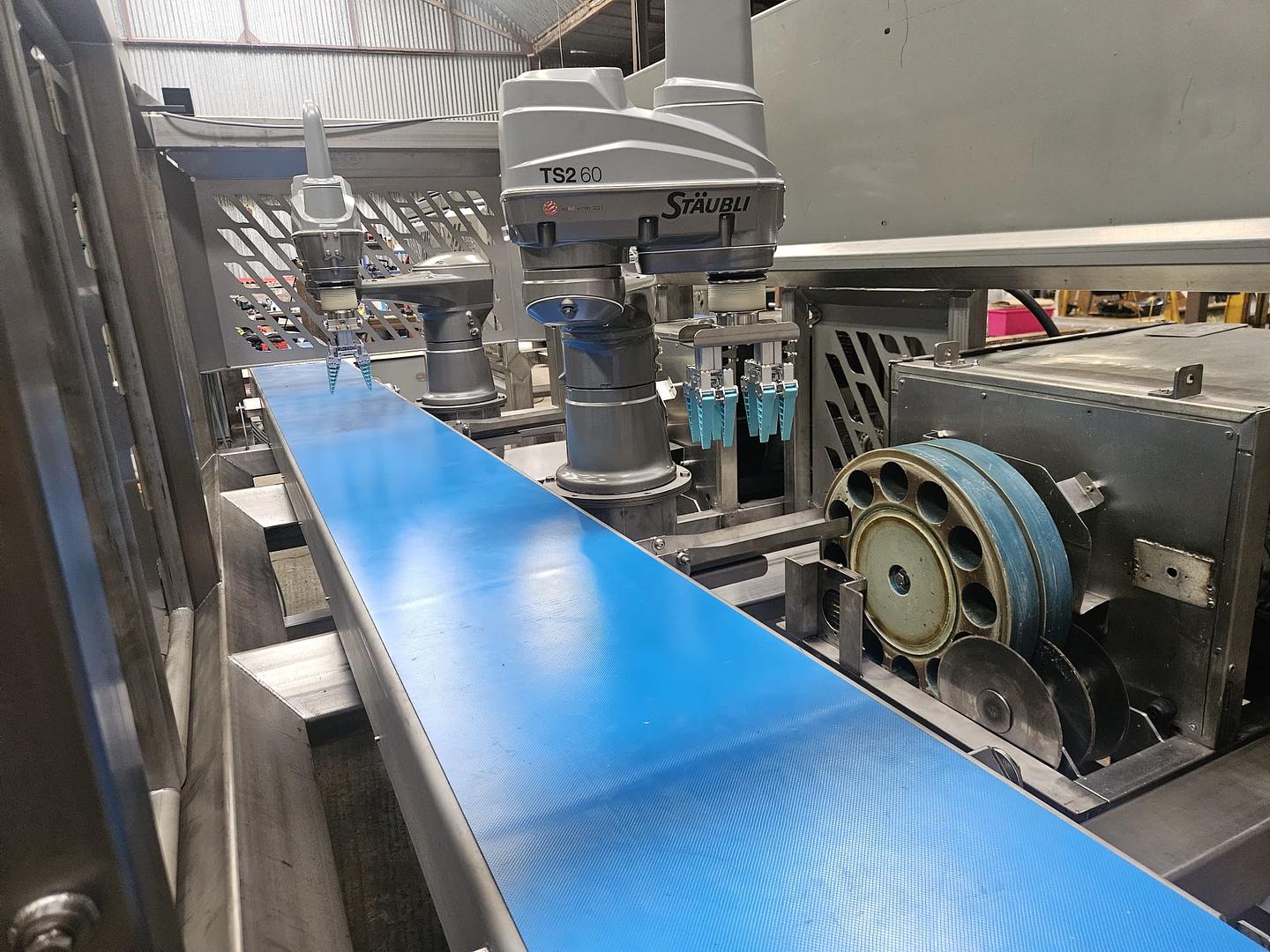
Manufacturing a Custom Robot Cell for Evoline Robotics: What It Takes to Deliver Reliable Industrial Automation
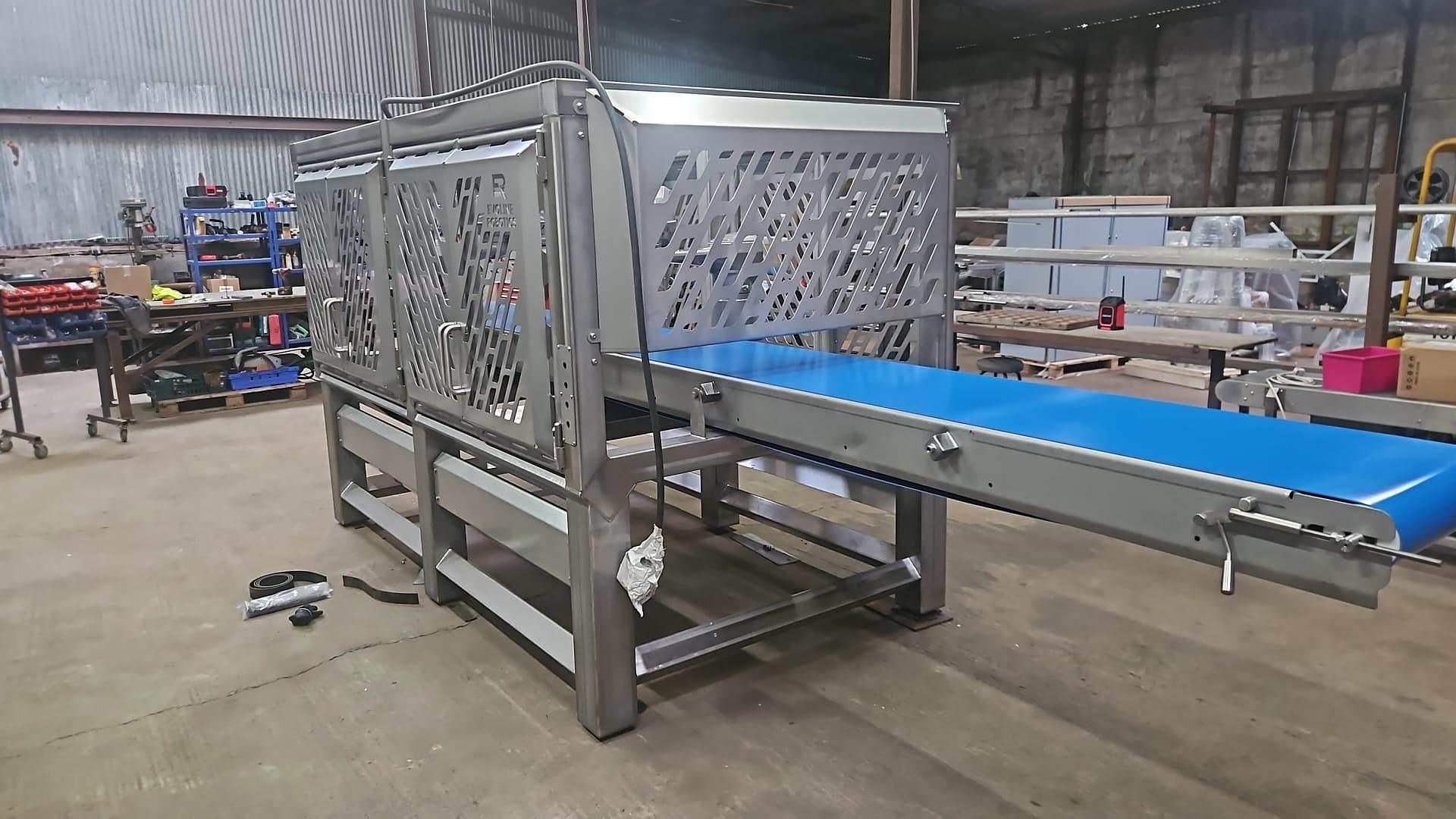
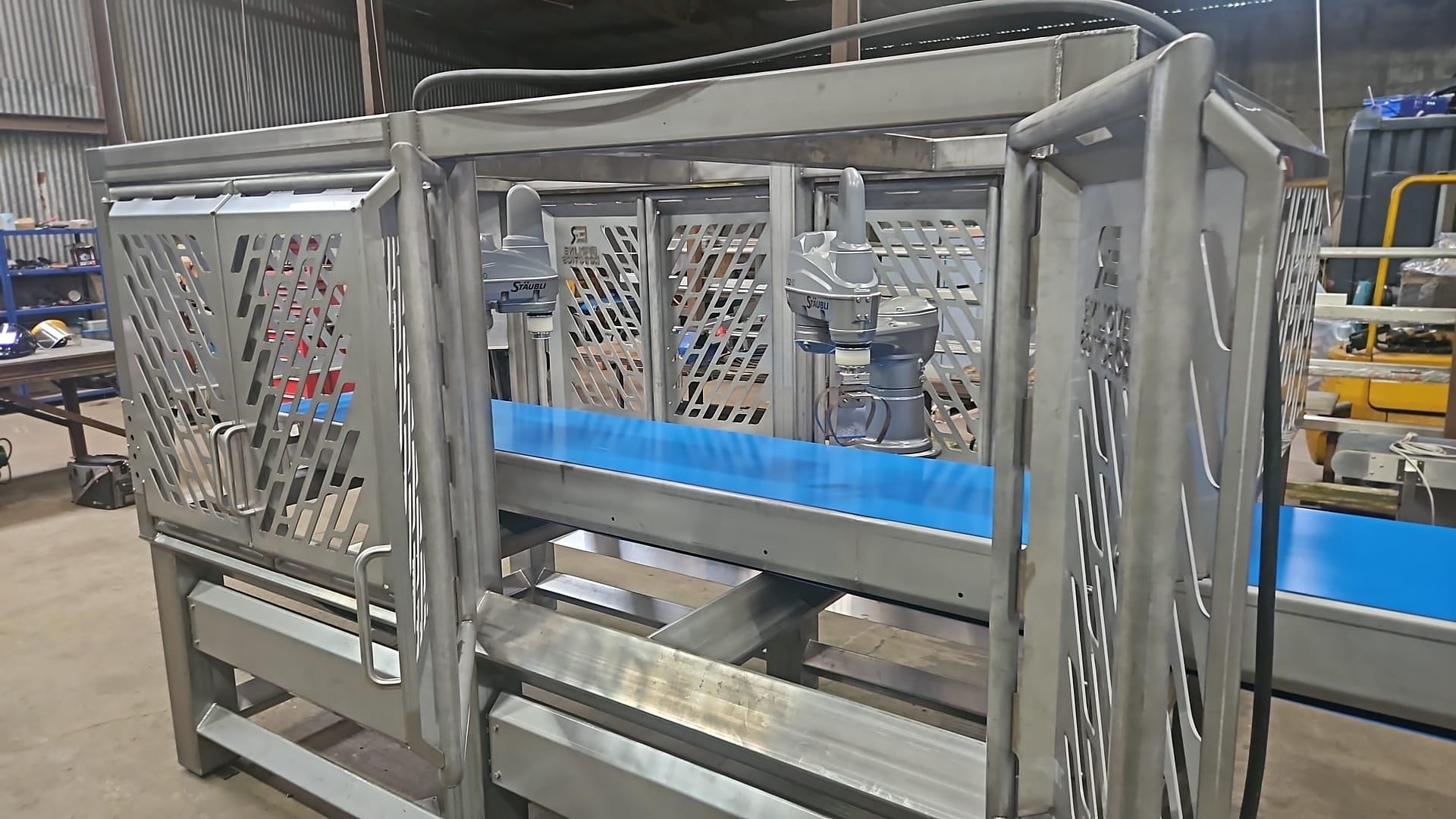
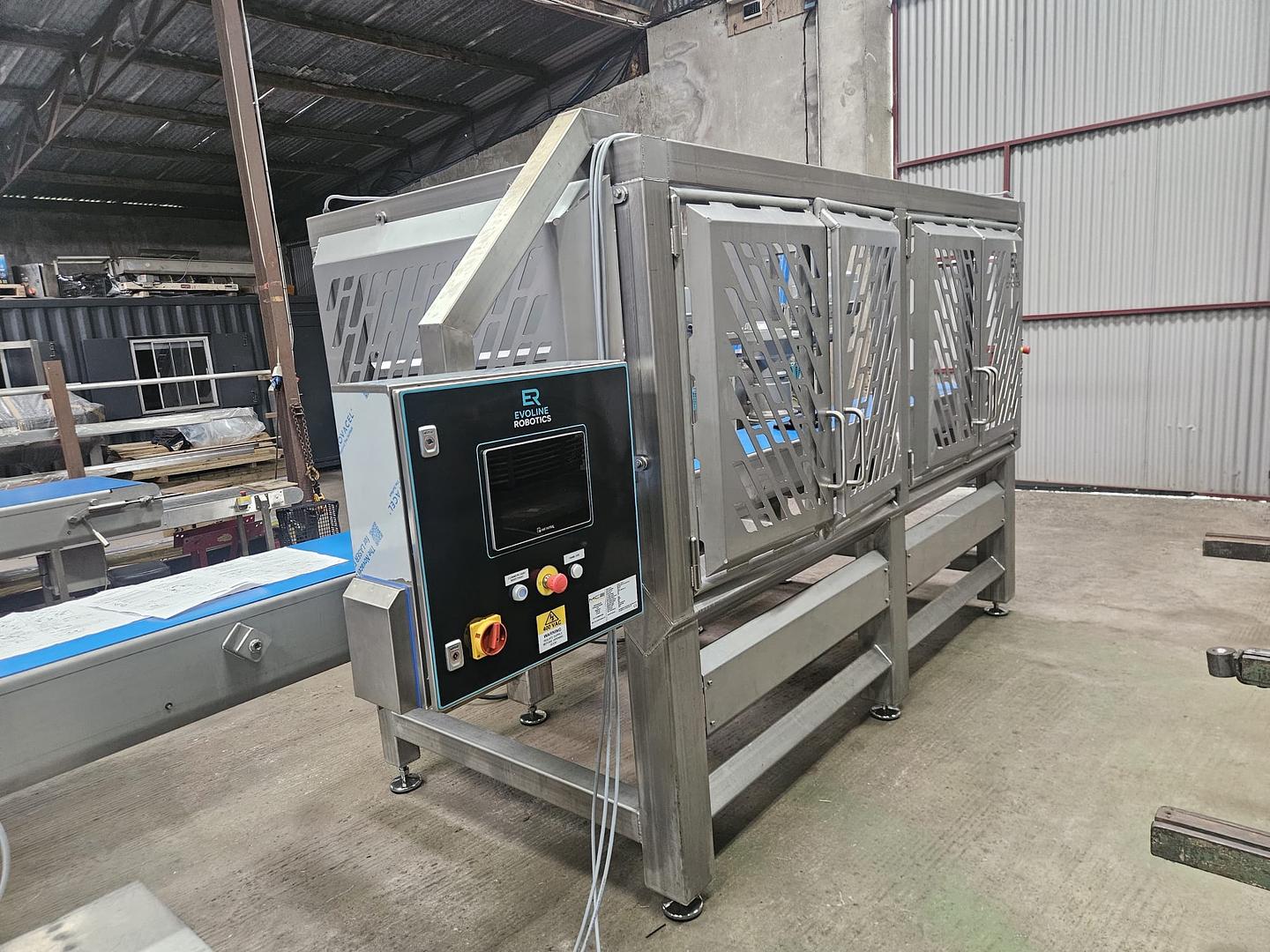
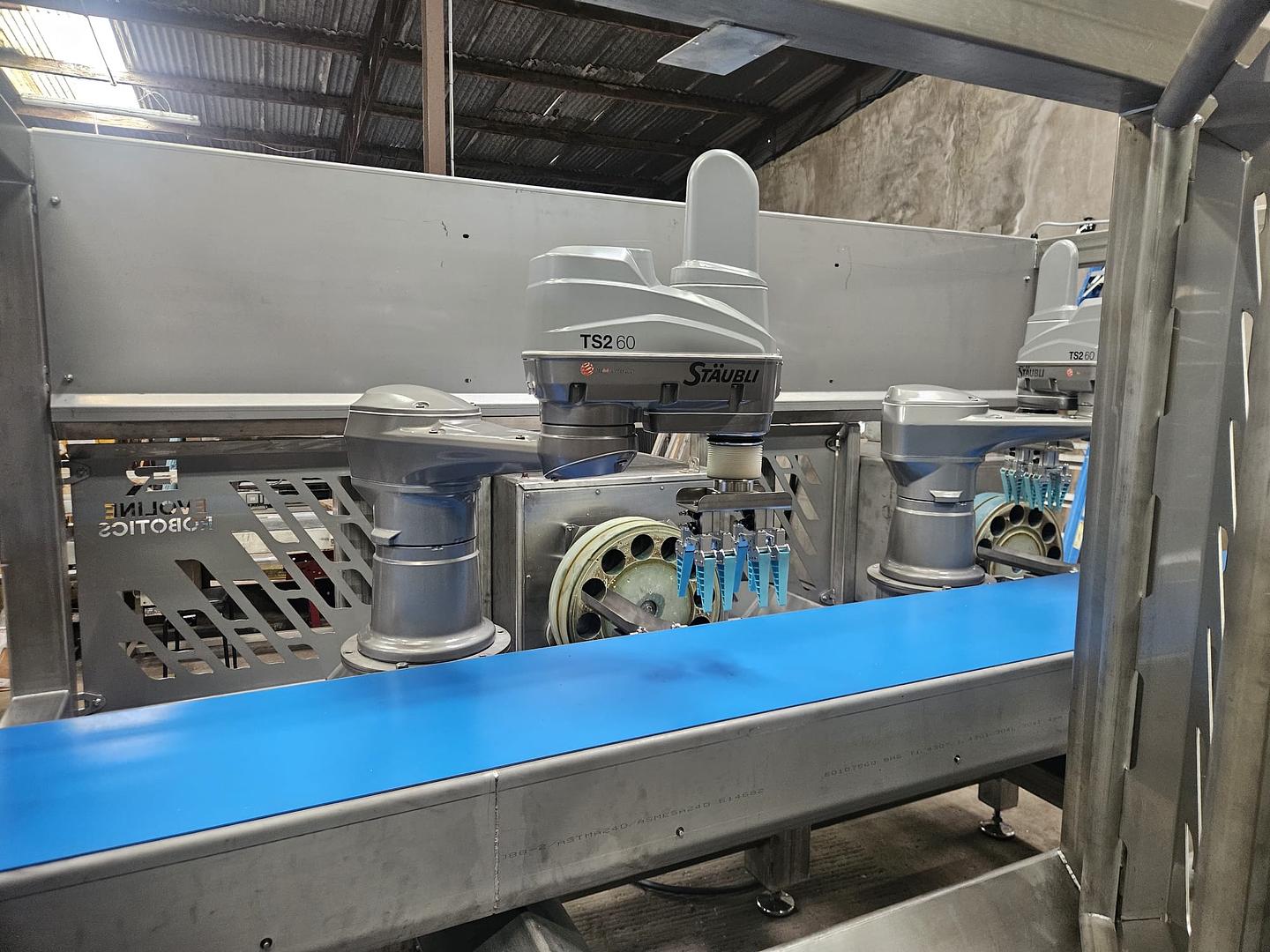
Manufacturing a robot cell is more than assembling hardware around a robot arm. It is a structured engineering process that combines mechanical design, electrical integration, safety compliance, controls programming, and production-ready validation. We have just completed the manufacturing of a robot cell for Evoline Robotics, and this project is a strong example of how a well-executed robotic workcell can improve throughput, consistency, and operational visibility.
This article shares a practical, business-focused view of what goes into delivering a robust robot cell—from requirements and design through build, testing, and handover—along with the outcomes manufacturers typically expect from a modern industrial robotics solution.
Why Manufacturers Invest in Robot Cells
Across industries, manufacturers adopt robotic cells to address persistent operational challenges: labor constraints, demand volatility, quality targets, and the need to reduce production risk. A robot cell (also called a robotic workcell) is a contained automation system designed to perform one or more tasks—such as handling, assembly, dispensing, inspection, machine tending, welding, or packaging—safely and repeatedly.
When engineered correctly, a robot cell helps organizations:
- Increase throughput by stabilizing cycle times and reducing micro-stoppages
- Improve quality through repeatable motion, controlled process parameters, and integrated inspection
- Enhance safety with guarding, interlocks, and validated safety logic
- Lower total cost per unit by reducing scrap, rework, and unplanned downtime
- Gain traceability using PLC/HMI data, sensors, and production reporting
For Evoline Robotics, the goal of this robot cell build was aligned with these core manufacturing priorities: deliver a dependable automation platform that can operate confidently in a production environment and scale with future needs.
From Concept to Build: A Structured Approach to Robot Cell Manufacturing
Successful robotics projects depend on disciplined execution. While each automation system is unique, the manufacturing process for a turnkey robot cell typically follows a clear framework.
1) Requirements Definition and Risk Review
Before fabrication begins, the project starts with clarity around requirements. This includes the process the robot cell will run, performance targets, expected part variation, and the realities of the plant environment. In parallel, a risk review is conducted to identify key constraints early, such as access requirements, ergonomic considerations, maintenance clearances, and safety risks.
In our experience, strong up-front definition reduces engineering rework, shortens commissioning time, and improves overall ROI for industrial automation projects.
2) Mechanical Design for Production Reality
Mechanical design is where the robot cell becomes a manufacturable system. This includes the cell base, guarding, fixtures, part presentation, end-of-arm tooling (EOAT) interfaces, and provisions for sensors, pneumatics, and service access.
For a robot cell intended for production, design decisions must balance:
- Rigidity and repeatability to support accurate robot motion and consistent process results
- Maintainability so technicians can service components without excessive downtime
- Changeover flexibility where part families or future revisions are expected
- Operator workflow including load/unload steps, visibility, and safe access
A cell that looks good in a 3D model still has to perform under real-world conditions—dust, vibration, shift-to-shift variation, and routine maintenance demands.
3) Electrical Integration and Controls Architecture
Electrical build quality is a major determinant of long-term reliability. A robot cell requires careful integration of the robot controller, PLC, safety systems, sensor networks, pneumatic control, and power distribution—built to relevant standards and documented for troubleshooting.
Key considerations include:
- Clean panel layout with labeled wiring and serviceable component placement
- Signal integrity for sensors, vision systems, and feedback devices
- EMI management through grounding, routing discipline, and proper shielding
- Network design to support stable communications and future expansion
A well-designed controls architecture also simplifies commissioning and makes ongoing maintenance faster, lowering the total cost of ownership.
4) Safety Engineering Built Into the Cell
Robot cells must be designed around safety from the beginning—not added as an afterthought. Modern robotic workcells typically include guarding, safety-rated interlocks, e-stops, light curtains or scanners (as applicable), and safety PLC logic validated through a structured approach.
For manufacturers, this is critical for two reasons: protecting people and ensuring compliance. A properly engineered safety system also reduces nuisance stops and improves uptime, because safety devices are integrated with clear intent and tested as part of the full system.
5) Software, HMI, and Process Control
Controls software is where performance becomes measurable. Robot programming, PLC logic, and HMI design should work together to support stable production and fast recovery from faults. The most effective robot cells provide operators and maintenance teams with:
- Clear HMI messaging for alarms, steps to recover, and status indicators
- Recipe or part selection if multiple products are run on the cell
- Cycle tracking and basic production metrics for visibility
- Maintenance prompts to prevent avoidable downtime
Even a high-performing robot cell can lose value if day-to-day usability is overlooked. User-centered design is a practical advantage in industrial automation environments.
Build, Assembly, and In-House Validation
After design approval, fabrication and assembly bring the cell to life. Manufacturing a robot cell requires disciplined build practices: consistent mechanical assembly, verified torque and alignment, professional wiring standards, and controlled change management when adjustments are needed.
Before shipment or deployment, in-house testing (often referred to as FAT, or Factory Acceptance Testing) is used to validate functionality against requirements. Common FAT activities include:
- Dry cycle testing to confirm motion paths, interlocks, and sequence behavior
- I/O validation across sensors, valves, actuators, and safety devices
- Fault simulation to ensure predictable recovery and clear HMI guidance
- Cycle time verification to confirm performance targets are feasible
Completing this validation step before installation reduces commissioning risk and accelerates time to production—one of the most important success factors for any robotic cell project.
What Evoline Robotics Gains from a Production-Ready Robot Cell
While each facility measures value differently, manufacturers typically realize benefits in the same categories once a robot cell is installed and stabilized. A professionally manufactured robotic workcell supports:
Operational consistency: Repeatable motion and controlled process sequencing reduce variation and help meet quality standards.
Higher utilization: A properly engineered cell is easier to maintain, diagnose, and recover—improving uptime and overall equipment effectiveness.
Scalability: Designing with modularity and expansion in mind allows future changes—new part variants, additional sensors, upgraded tooling—without redesigning the entire system.
Stronger safety posture: Integrated guarding and validated safety controls protect people while supporting efficient workflows.
For Evoline Robotics, this robot cell represents a dependable automation asset built with the practical requirements of production at the forefront.
Key Takeaways for Companies Planning a Robot Cell
If your organization is considering a custom robot cell or an industrial robotics upgrade, the most reliable results come from focusing on execution details that directly impact uptime and maintainability. Prioritize a clear scope, invest in safety engineering early, and validate performance before the cell reaches the plant floor.
Manufacturing a robot cell is an opportunity to create a repeatable, measurable process that strengthens competitiveness. With the robot cell for Evoline Robotics now manufactured, the next stage is where value accelerates: installation, commissioning, and bringing the system to stable production output.
If you are evaluating a robotic cell for your operation, consider defining your process requirements, cycle-time goals, and integration constraints early. That clarity is the foundation for a successful automation project and a faster return on investment.